
Tooth Extractions in Orange, CA
Some teeth can be restored with fillings, crowns, or root canal treatment. Others continue causing pain, infection, or structural problems even after conservative care. When a tooth can no longer function predictably, extraction may become the safest option for protecting overall oral health. Our extractions are planned carefully with attention to comfort, healing, and long-term bite stability.
- Severely decayed or damaged beyond repair
- Affected by advanced periodontal (gum) disease
- Broken in a way that cannot be restored
- Poorly positioned, such as impacted teeth
- Removed to prepare for orthodontic treatment
Before recommending extraction, the doctor will discuss all alternatives and replacement options to protect your bite, jaw health, and appearance..
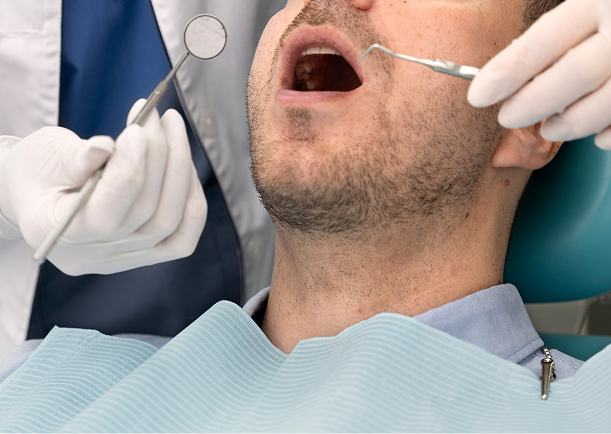
When a Tooth Extraction May Be Needed
Tooth removal is usually recommended when damage, infection, or crowding begins affecting nearby teeth or surrounding bone support.
You may need an extraction if you have:
- Severe tooth decay
- A fractured tooth below the gumline
- Advanced gum disease
- Impacted wisdom teeth
- Persistent dental infection
- Overcrowding before orthodontic treatment
- Loose teeth caused by bone loss
Patients seeking tooth extractions Orange treatment often delay visits because the discomfort becomes manageable in short cycles. Teeth occasionally interpret that as permission to continue deteriorating.
Why Careful Extraction Matters
Removing a tooth can affect chewing, jaw alignment, and neighboring teeth. Planning for replacement—such as a bridge, implant, or denture—helps maintain function and prevent long-term issues.
The Extraction Process
If you feel discomfort at any point, let us know immediately so we can adjust your care.
Anesthesia
The tooth, surrounding bone, and gums are numbed with local anesthesia for comfort.
Loosening the Tooth
Gentle pressure is applied to widen the socket so the tooth can be removed. You may feel pressure but not pain.
Sectioning if Needed
If a tooth is firmly anchored or has curved roots, it may be sectioned into smaller pieces for easier removal.
Post-Operative Care
How to Care for Your Extraction Site
Oral hygiene:
For the first 24 hours, do not rinse, brush, or spit forcefully—this allows a protective blood clot to form over the extraction site. Beginning the next day, gently rinse with warm salt water several times a day, especially after meals, to keep the area clean. Brush and floss your other teeth as usual, but avoid the extraction site until it begins to heal. Avoid using straws, commercial mouthwashes, or vigorous rinsing, as these can dislodge the clot and delay healing.
Diet:
Pain & swelling management:
Infection prevention:
If You Wear a Denture or Partial:
Follow-up appointments:
Post-extraction checkups are important. These visits allow us to confirm proper healing, remove sutures if needed, and ensure there are no complications.
With the right care and follow-up, your mouth can heal quickly and comfortably after a tooth extraction.
Tooth Extraction Care: Do’s & Don’ts
✅ Do’s
❌ Don’ts
- Keep gauze in place for the first hour to control bleeding.
- Rinse gently with warm salt water starting the day after surgery.
- Brush and floss your other teeth, avoiding the extraction site.
- Eat soft, cool foods like yogurt, smoothies, and mashed potatoes.
- Apply a cold compress for the first 24 hours to reduce swelling.
- Sleep with your head elevated to minimize discomfort.
- Take pain relievers and antibiotics exactly as directed.
- Remove dentures/partials at night and keep them clean.
- Attend all follow-up appointments.
- Don’t rinse, spit, or brush in the first 24 hours.
- Don’t use straws or smoke—suction can dislodge the clot and cause dry socket.
- Don’t floss or brush directly over the extraction site until cleared by your dentist.
- Don’t eat hot, spicy, hard, or crunchy foods in the first few days.
- Don’t drink alcohol, as it delays healing.
- Don’t ignore warning signs like severe pain, swelling, fever, or pus—call our office right away.
- Don’t wear dentures or partials full time unless advised—it can place pressure on the healing area.
Recovery After Tooth Extraction
Healing timelines vary depending on the complexity of the extraction and the patient’s overall oral health.
Most patients experience temporary:
- swelling
- mild soreness
- sensitivity near the extraction site
Recovery recommendations typically include:
- avoiding straws temporarily
- eating softer foods
- keeping the area clean
- avoiding smoking during healing
- following medication instructions carefully
Patients undergoing Orange tooth extractions treatment generally return to normal routines within a few days, although surgical procedures may require additional recovery time.
Meet Your dentist
Dina Aleissa, D.D.S.
With over 20+ years of experience, Dr. Aleissa combines clinical excellence with true compassion. She takes time to explain every step, so you always feel heard, relaxed, and confident in your care.
Experience
Doctor of Dental Surgery
Loma Linda University School of Dentistry
Master of Preventive Dentistry
Professional Associations
American Dental Association
California Dental Association
Orange County Dental Society
American Academy of Family and Cosmetic Dentistry

I am committed to my patients and gladly strive to provide outstanding care simply by treating them like family and providing clinical excellence with a gentle touch.
Tooth Replacement After Extraction
In some cases, replacing an extracted tooth helps maintain bite alignment and chewing balance.
Replacement options may include:
- dental implants
- bridges
- partial dentures
Leaving open spaces untreated can gradually affect nearby teeth and jaw support over time. Teeth have a habit of drifting into available space with very little regard for architectural planning.
Cost and Insurance Information
The cost of extraction treatment depends on:
- tooth position
- surgical complexity
- imaging requirements
- sedation options
- follow-up treatment needs
Many insurance plans provide coverage for medically necessary extractions. Our office reviews treatment recommendations, estimated costs, and payment options before care begins.
Serving Orange County Communities
Orange Smile Dentist provides tooth extractions Orange patients rely on for restorative and surgical dental care throughout the surrounding communities.
We proudly serve patients from:
- Orange
- Anaheim
- Santa Ana
- Tustin
- Orange County
Our office provides evaluations for routine extractions, emergency treatment, and wisdom tooth concerns using modern diagnostic technology and patient-focused care.
Comfortable Tooth Extraction Care in Orange, CA
Persistent dental pain, infection, or impacted teeth can gradually affect surrounding oral health and daily comfort. Timely treatment helps prevent additional complications while supporting long-term recovery.
Orange Smile Dentist provides personalized extraction care with detailed planning, modern imaging, and supportive aftercare throughout healing.
Dentures FAQs
If you have any questions about dentures, we’ve got answers.
Does a tooth extraction hurt?
Local anesthesia is used to keep the procedure comfortable. Mild soreness after treatment is common and usually improves during healing.
How long does recovery take after an extraction?
Many patients recover within several days, though surgical extractions and wisdom tooth removal may require longer healing periods.
What can I eat after a tooth extraction?
Soft foods are generally recommended during the early healing phase. Patients usually avoid hard, crunchy, or very hot foods temporarily.
Are wisdom teeth always removed?
Not always. Wisdom teeth may remain if they erupt normally and do not create crowding, infection, or structural problems.
Can I replace a tooth after extraction?
Yes. Dental implants, bridges, and removable restorations may help restore function after tooth removal.