
Root Canal Treatment in Orange, CA
Persistent tooth pain often signals a problem deeper than the surface. When the inner portion of a tooth becomes infected or inflamed, root canal treatment can remove the infection, relieve discomfort, and preserve the natural tooth.
Root canal therapy at Orange Smile Dentist is performed with a focus on comfort, precision, and long-term oral health.
- Preserve your natural tooth whenever possible
- Modern diagnostic technology
- Personalized treatment planning and aftercare
What is a Root Canal Therapy?
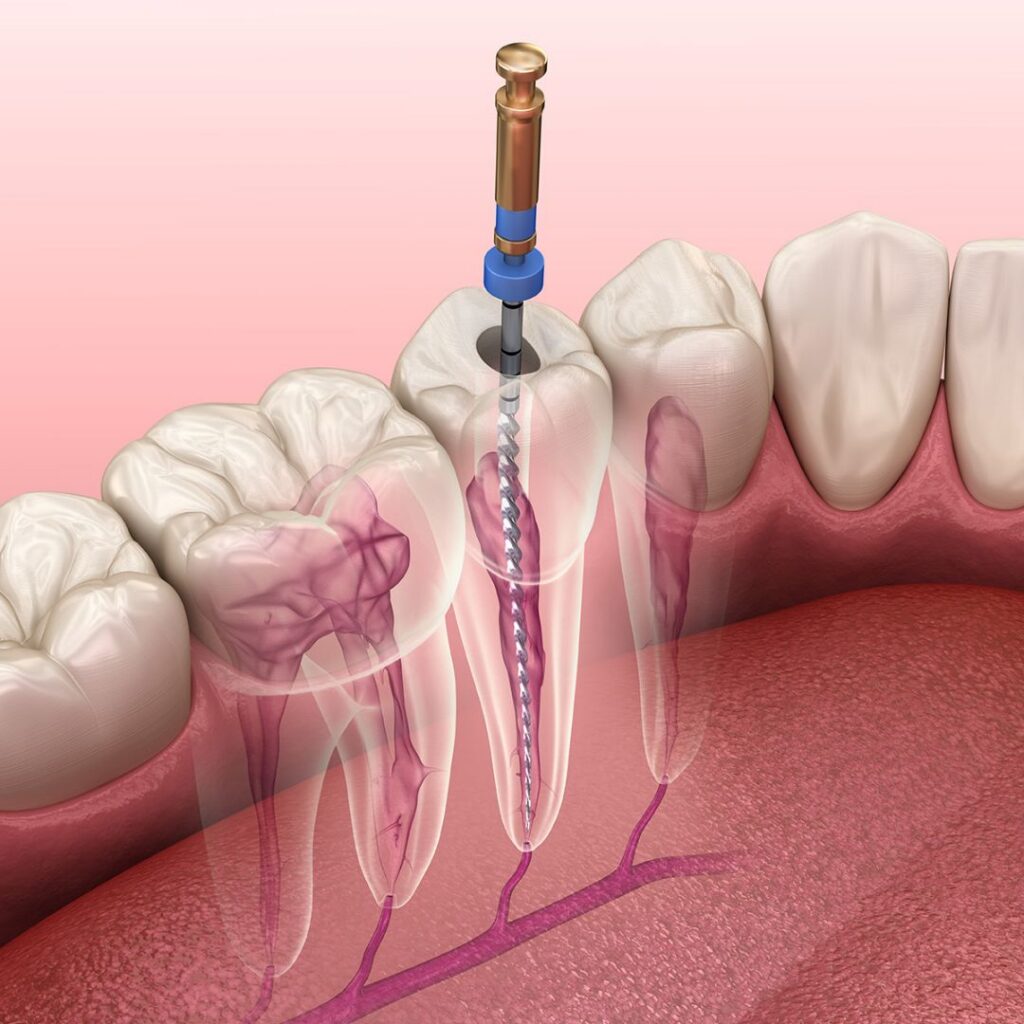
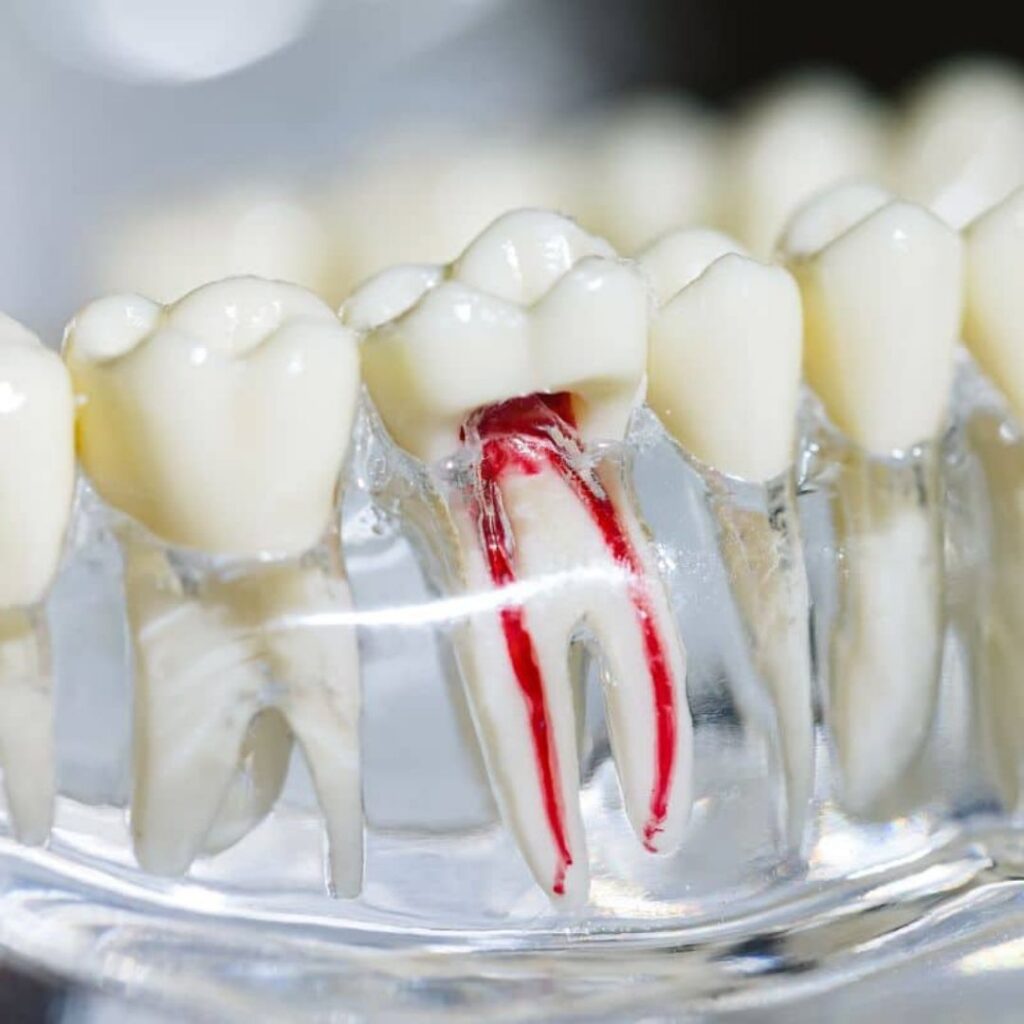
Inside every tooth is a soft tissue called pulp that contains nerves and blood vessels. Deep decay, trauma, cracks, or repeated dental procedures can cause this tissue to become infected or inflamed. Root canal therapy orange patients receive involves removing the damaged pulp, cleaning the internal canals, disinfecting the area, and sealing the tooth to prevent future infection. The goal is straightforward: eliminate infection while preserving the natural tooth structure whenever possible.
Signs You May Need a Root Canal
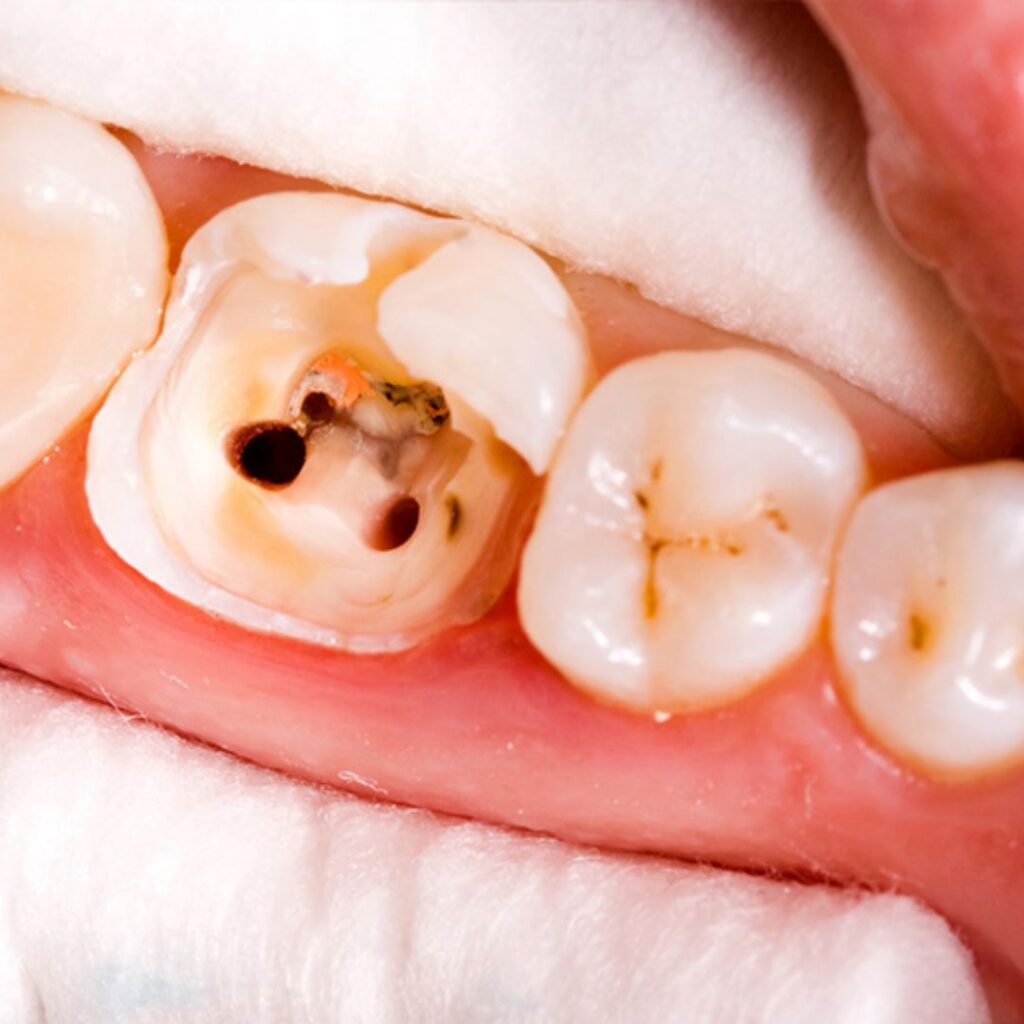
Not every toothache requires a root canal, but certain symptoms may indicate infection within the tooth’s pulp.
Common warning signs include:
- Persistent tooth pain
- Sensitivity to hot or cold temperatures
- Pain when chewing
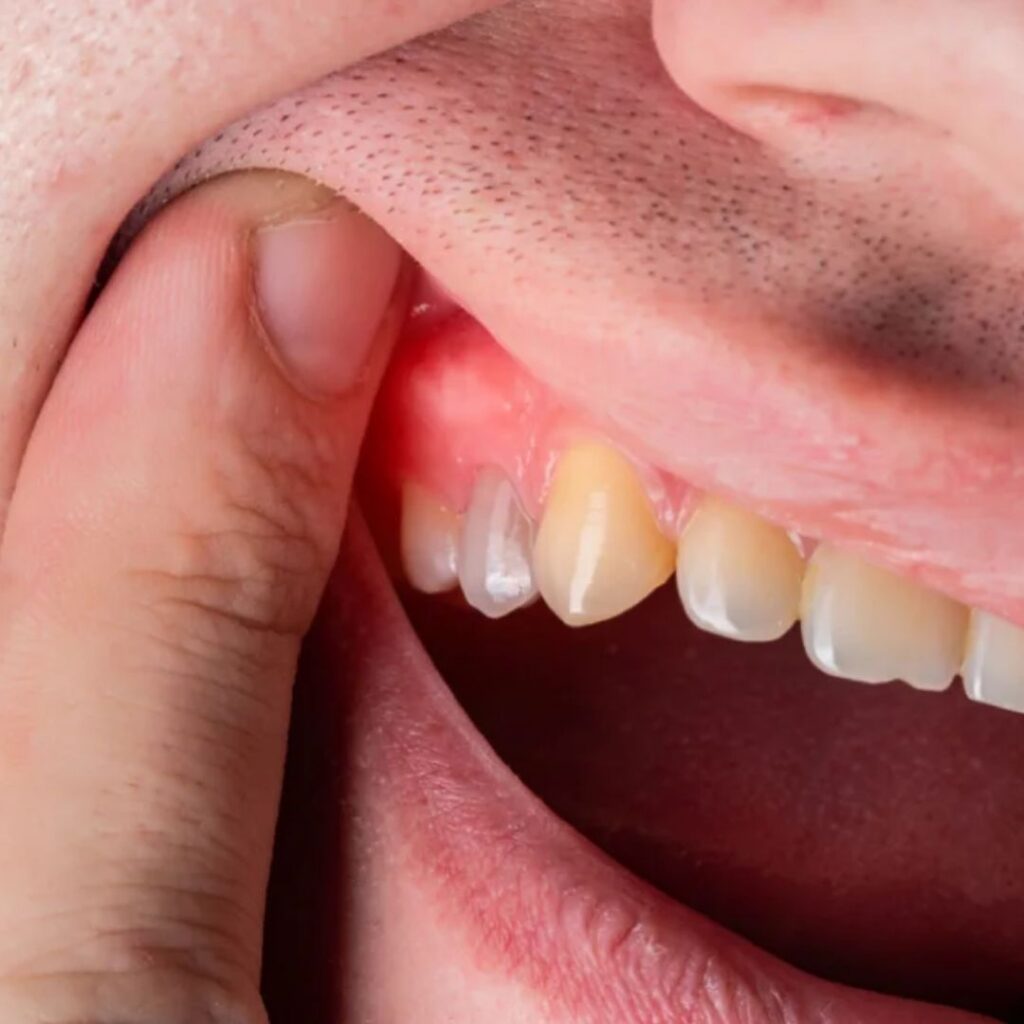
- Swollen or tender gums
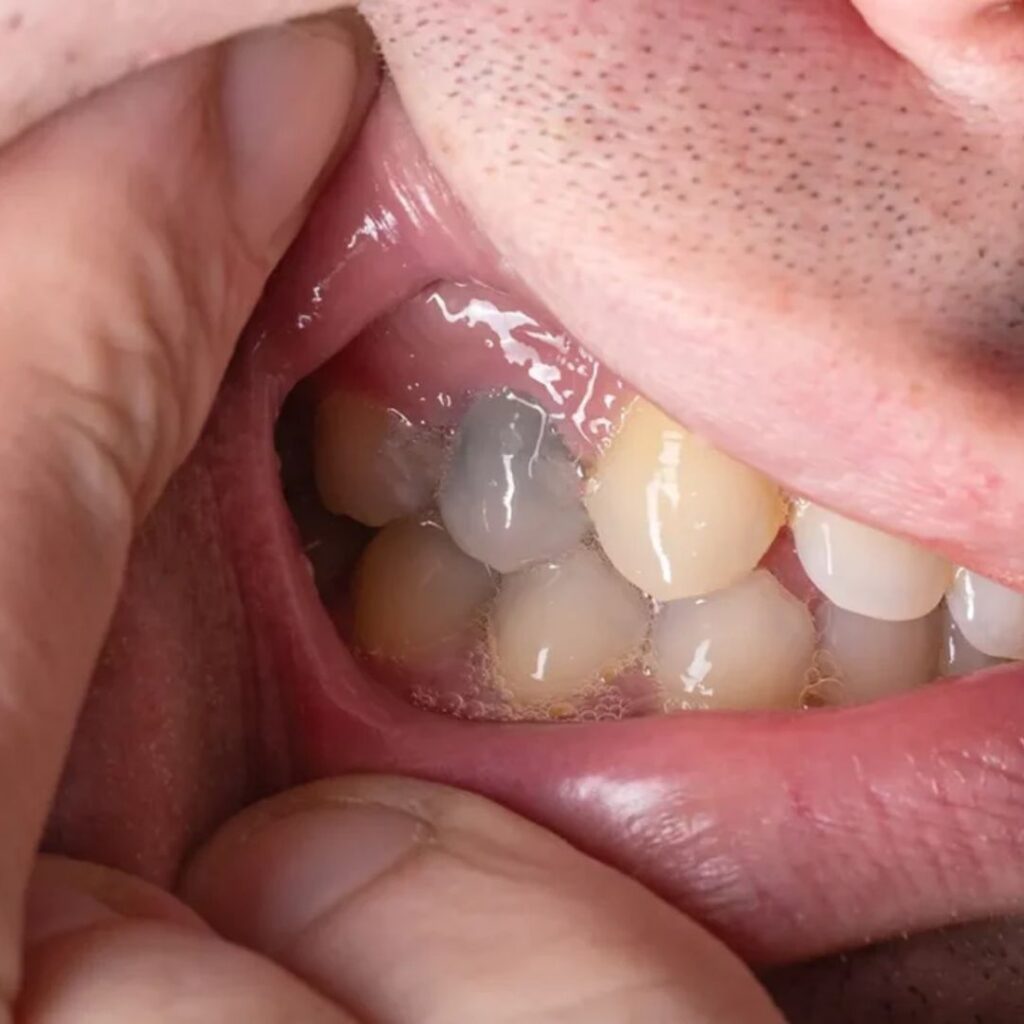
- Tooth discoloration
- Recurring dental abscesses
- Lingering discomfort after eating or drinking
Patients seeking root canal orange ca treatment often arrive after symptoms have progressed beyond what a filling can address. Teeth tend to communicate problems gradually before becoming considerably more direct.
Why Saving a Natural Tooth Matters
Preserving a natural tooth helps maintain normal chewing function, bite alignment, and support for surrounding teeth.
Without treatment, an infected tooth may eventually require extraction. Replacing a missing tooth often involves additional procedures such as implants, bridges, or dentures.
When appropriate, root canal treatment allows patients to keep their existing tooth while resolving the source of infection.
Benefits include:
- Relief from infection-related discomfort
- Preservation of natural tooth structure
- Restoration of normal chewing ability
- Protection of surrounding teeth
- Long-term oral health support
What Causes a Tooth to Need a Root Canal?
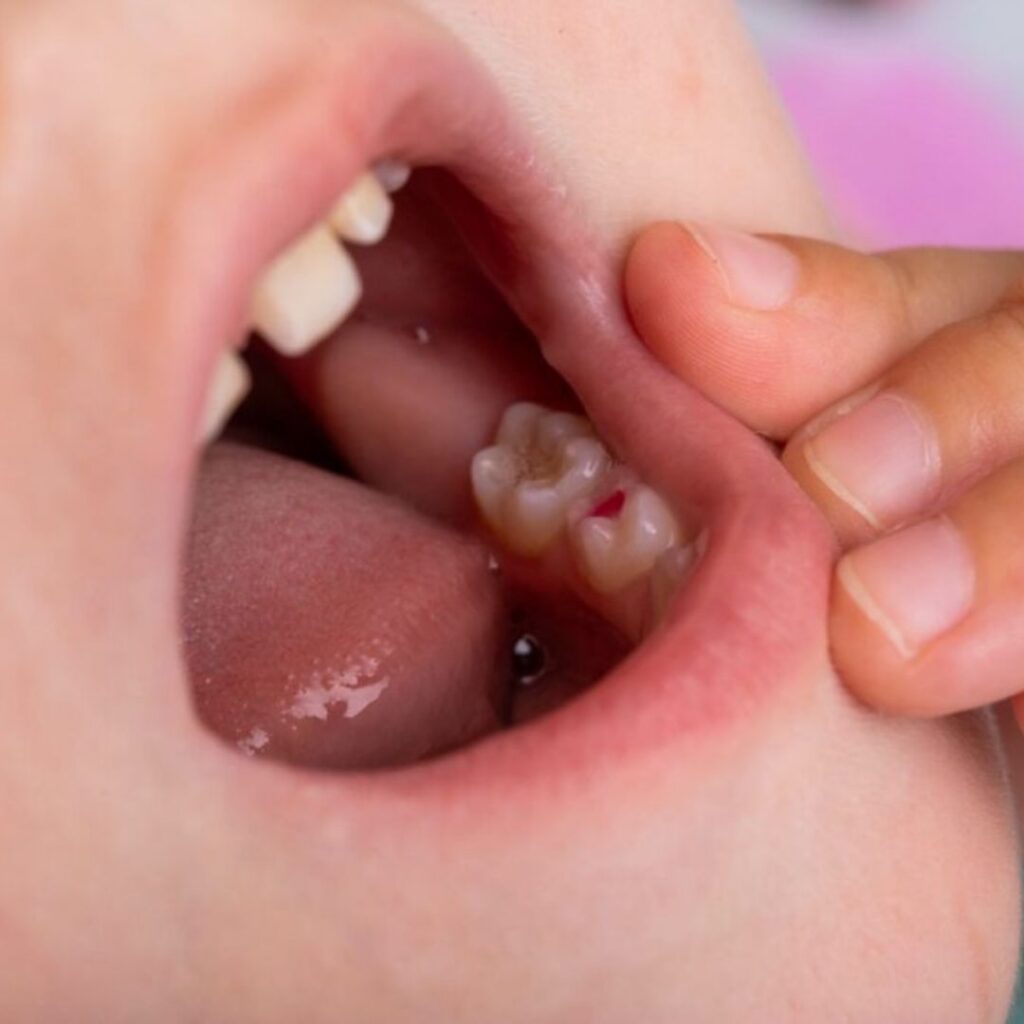
Several dental conditions can affect the pulp inside a tooth.
Common causes include:
- Deep tooth decay
- Cracked teeth
- Traumatic dental injuries
- Repeated restorative procedures
- Large untreated cavities
- Advanced wear exposing inner structures
Patients searching for orange root canal treatment often discover that the underlying issue developed long before symptoms became noticeable.
How the Procedure Works
Most root canals can be completed in one or two visits. The success rate for this treatment is about 90%. You can typically drive yourself home afterward and resume normal activities the same day.

Step 1 – Diagnosis
Your dentist will examine the tooth and take X-rays to confirm if root canal therapy is needed.

Step 2 – Diagnosis
- Local anesthesia is used for comfort; nitrous oxide (laughing gas) is available if needed.
- The infected pulp is removed.
The inside of the tooth is carefully cleaned and disinfected. - The space is sealed to prevent future infection.
After Your Root Canal
Once treatment is complete, we’ll send a record to your restorative dentist. Within a few weeks, you’ll return to them for a permanent restoration—usually a crown or filling—to protect the tooth and restore full function.
Complications are rare, but if you experience any discomfort or swelling, we are available to help. Continuing good oral hygiene will help protect your treated tooth for years to come.
Cost of Treatment
The cost of a root canal varies based on which tooth is affected and the extent of the infection. In most cases, a root canal is far more cost-effective than removing the tooth and replacing it with an implant or bridge.
Meet Your dentist
Dina Aleissa, D.D.S.
With over 20+ years of experience, Dr. Aleissa combines clinical excellence with true compassion. She takes time to explain every step, so you always feel heard, relaxed, and confident in your care.
Experience
Doctor of Dental Surgery
Loma Linda University School of Dentistry
Master of Preventive Dentistry
Professional Associations
American Dental Association
California Dental Association
Orange County Dental Society
American Academy of Family and Cosmetic Dentistry

I am committed to my patients and gladly strive to provide outstanding care simply by treating them like family and providing clinical excellence with a gentle touch.
Why Patients Choose Orange Smile Dentist
Root canal treatment often carries a reputation that no longer reflects modern dentistry. Today’s procedures are significantly more comfortable and efficient than many patients expect.
At Orange Smile Dentist, we focus on:
- Accurate diagnosis
- Patient comfort
- Conservative treatment planning
- Modern imaging technology
- Clear communication throughout treatment
Our team takes time to explain findings, answer questions, and ensure patients understand every stage of the process before treatment begins.
Relieve Pain and Preserve Your Natural Tooth
What to Expect During Root Canal Treatment
Examination and Diagnosis
Digital imaging and a clinical examination help determine whether the tooth’s pulp has become infected or inflamed.
Local Anesthesia
The treatment area is numbed to help ensure comfort throughout the procedure.
Cleaning the Root Canals
The infected pulp is removed, and the internal canals are carefully cleaned and disinfected.
Sealing the Tooth
The canals are sealed to help prevent future infection.
Final Restoration
In many cases, a dental crown may be recommended afterward to strengthen and protect the treated tooth.
Recovery After a Root Canal
Most patients return to normal daily activities shortly after treatment.
Some temporary sensitivity may occur for a few days while surrounding tissues heal.
Helpful recovery recommendations include:
- Following post-treatment instructions
- Avoiding excessive chewing on the treated tooth initially
- Maintaining regular brushing and flossing
- Attending follow-up appointments as recommended
Once restored properly, a root canal-treated tooth can continue functioning for many years.
When a Specialist May Be Recommended
Certain complex cases may require referral to a root canal specialist orange california patients commonly know as an endodontist.
Factors that may influence referral include:
- Complex root anatomy
- Previous root canal treatment
- Extensive infection
- Difficult access within the tooth
If specialist care becomes appropriate, we coordinate treatment to help ensure continuity of care.
Cost and Insurance Information
The cost of root canal treatment varies depending on:
- Tooth location
- Number of canals
- Complexity of the case
- Need for additional restoration
- Crown placement requirements
Many dental insurance plans provide coverage for medically necessary root canal treatment. Our team reviews treatment recommendations, benefits, and payment options before care begins.
Root CanalFAQs
If you have any questions about root canal, we’ve got answers.
Is a root canal painful?
Modern root canal treatment is typically performed using local anesthesia and advanced techniques designed to maximize patient comfort.
How long does a root canal take?
Treatment time depends on the tooth and complexity of the case. Many procedures can be completed in one or two visits.
Will I need a crown after a root canal?
Many teeth benefit from a crown following treatment because the tooth may become more vulnerable to fracture over time.
Can a root canal save my tooth?
In many cases, yes. Root canal treatment is specifically designed to preserve the natural tooth while removing infection.
How do I know if I need a root canal?
Persistent pain, sensitivity, swelling, discoloration, or recurring infection may indicate the need for evaluation and treatment.